
The coming 100 days may test households, businesses and policymakers alike
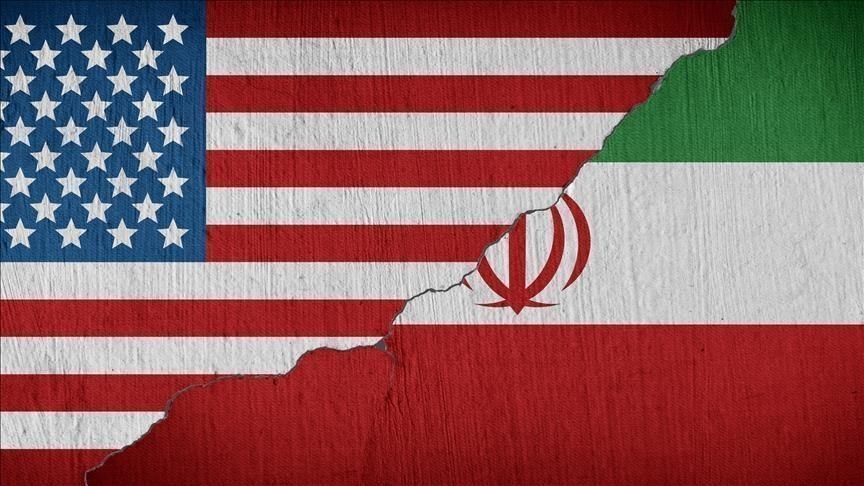
Eighty-one days into the US-Israel-Iran war, India is beginning to feel the heat of a conflict being fought far away from its borders. The first impact of such a war is rarely visible immediately in the monthly household budget. It travels through crude oil prices, shipping costs, insurance premiums, currency movements, imported raw materials, transport expenses and finally reaches the kitchen, the market, the factory, the farm and the small shop. That is exactly the pattern now emerging in India.
On paper, India’s retail inflation still appears manageable. The Consumer Price Index inflation for April 2026 stood at around 3.48 per cent, while food inflation was reported near 4.20 per cent. In normal circumstances, these numbers would have allowed policymakers to claim relative comfort. But the story beneath the surface is much more worrying. Wholesale inflation has already shown a sharp rise. The Wholesale Price Index inflation touched nearly 8.30 per cent in April 2026, up from 3.88 per cent in March and 2.26 per cent in February. This is not a minor movement. It is a warning signal.
The biggest concern is fuel and power. The fuel and power segment in wholesale inflation reportedly surged by over 24 per cent in April. This means that the first layer of inflation has already entered the system. It has not yet fully reached the common consumer, but it is moving in that direction. When diesel becomes costly, transport becomes costly. When transport becomes costly, vegetables, milk, grains, construction material, medicines, packaging and consumer goods all become costly. Inflation then stops being just an economic statistic and becomes a daily struggle.
India’s biggest vulnerability: imported crude oil
India’s economy is highly sensitive to crude oil prices because the country imports nearly 88 per cent of its crude oil requirement. This dependence makes India vulnerable whenever there is tension in West Asia. The present war involves the United States, Israel and Iran, and the region is central to the global energy map. Any fear of disruption in oil supply, shipping routes, insurance cost or refinery availability can immediately push crude oil prices higher.
For India, the problem is two-fold. First, crude oil becomes expensive in dollar terms. Second, if the rupee weakens against the dollar, the same barrel of oil becomes even more expensive in Indian currency. This double pressure can disturb the government’s fiscal calculations, increase the import bill, put pressure on oil marketing companies and reduce the purchasing power of ordinary citizens.
If crude oil remains in the range of 100 to 110 dollars per barrel, India may be able to absorb part of the shock through tax adjustment, inventory management and controlled fuel pricing. But if crude prices stay between 115 and 125 dollars per barrel for a longer period, the inflationary pressure will become much harder to contain. In such a situation, retail inflation may move from the present range of around 3.5 per cent to nearly 4.8 to 5.8 per cent in the next 100 days. In a worse scenario, it may even move close to or above 6 per cent.
The wholesale shock has already arrived
The sharp rise in wholesale inflation is important because it acts like a pipeline indicator. Retail inflation reflects what consumers are paying today. Wholesale inflation often shows what consumers may pay tomorrow. When producers, traders and transporters face higher input costs, they do not immediately pass the entire burden to consumers. They wait, absorb some losses, reduce margins, delay new orders or cut expenses. But if the pressure continues, they are forced to increase prices.
This is why the present rise in wholesale inflation should not be ignored. A jump from 2.26 per cent in February to 8.30 per cent in April indicates that cost pressure is building rapidly. The fuel and power segment is the real source of concern because fuel is not an isolated commodity. It is the bloodline of the entire economy. Diesel moves trucks, buses, tractors, generators and construction equipment. Petrol affects personal mobility. Aviation turbine fuel affects airfares and cargo. LPG affects household kitchens and small food businesses.
Therefore, the inflation visible today is only the first chapter. The next 100 days may decide whether this remains a temporary shock or becomes a broader inflationary cycle.
Sector-wise impact: who will suffer how much?
The first and most direct impact will be on petrol and diesel. If crude oil remains high and oil marketing companies are unable to absorb losses, petrol and diesel prices may rise by 8 to 15 per cent in the coming 100 days. Even if the government delays the increase for political or social reasons, the pressure will remain somewhere in the system—either on public sector oil companies, government taxes or future price adjustments.
LPG and cooking fuel may see a rise of 10 to 18 per cent if international fuel prices remain elevated. This will directly affect household budgets, especially lower middle-class families and small eateries. The price of a domestic gas cylinder is not merely a kitchen issue. It also affects tea stalls, tiffin services, small restaurants, bakeries and street food vendors.
Transport and logistics may become costlier by 6 to 12 per cent. This will have a cascading impact on almost every commodity. India’s supply chain still depends heavily on road transport. If diesel becomes expensive, the cost of moving vegetables from farms, milk from dairies, cement from factories and goods from warehouses will rise.
Food items such as vegetables, fruits, milk and packaged essentials may see an increase of 5 to 10 per cent. This estimate is especially important for urban households, where food already consumes a significant part of monthly expenditure. Food inflation hurts the poor first and the middle class next. The rich feel it as inconvenience, but the poor experience it as sacrifice.
Edible oils may rise by 6 to 12 per cent because India also depends heavily on imports for edible oil. Global shipping disruptions, higher freight costs and currency pressure may add to the domestic price rise.
Hotels, restaurants, roadside food stalls and catering businesses may increase prices by 4 to 8 per cent. Their costs include fuel, LPG, vegetables, cooking oil, packaging, rent and labour. They may first reduce portions, then change menus and finally increase prices.
Construction material such as cement, steel, tiles, pipes and paints may become costlier by 5 to 9 per cent. This may affect housing, infrastructure projects and small construction activity. Since construction is also a major employment generator, the impact may not remain limited to prices alone. It may affect jobs and wages in the informal sector.
Medicines and healthcare services may see an impact of 3 to 6 per cent. Many pharmaceutical inputs, packaging materials and logistics costs are linked to global supply chains. Hospitals also depend on electricity, diesel backup, medical gases, imported equipment and transport.
Airfares may rise sharply, possibly by 8 to 20 per cent, depending on aviation turbine fuel prices and demand. Airlines operate on thin margins, and fuel is one of their biggest costs. Cargo charges may also rise, affecting high-value and time-sensitive goods.
Electricity and industrial energy costs may rise by 4 to 8 per cent. Industries using captive power, diesel generators or imported energy inputs will face pressure. This may push up the cost of manufactured goods.
Plastic, packaging and textiles may see a 5 to 10 per cent cost impact because petrochemicals are closely linked to crude oil. From food packets to medicine strips, plastic containers to textile fibres, crude oil enters the economy in many hidden forms.
E-commerce and delivery charges may rise by 3 to 7 per cent. The online economy depends on warehousing, packaging, last-mile delivery, fuel and manpower. Even if companies do not openly raise delivery charges, they may reduce discounts, increase platform fees or change free-delivery conditions.
The common man will pay before statistics admit it
The most painful part of inflation is that official data often recognises it after citizens have already suffered it. The common man first notices inflation at the vegetable vendor, milk booth, petrol pump, school bus counter, medicine shop and electricity bill. A household does not calculate inflation through economic formulas. It understands inflation when the same salary buys less food, less fuel, less travel and less dignity.
In India, inflation has a deep social impact. It reduces consumption, increases household debt, delays medical treatment, affects education expenses and creates psychological pressure. For daily wage workers and informal labourers, inflation is not just a financial inconvenience. It is a question of survival. If food, fuel and transport rise together, their real income collapses.
The middle class faces a different kind of squeeze. Salaries do not rise every month, but expenses do. Home loans, school fees, rent, fuel, groceries, insurance, medical bills and elderly care leave little room for adjustment. Inflation quietly destroys savings.
Small traders and shopkeepers also face a difficult situation. If they raise prices, customers reduce purchases. If they do not raise prices, margins collapse. This is how war inflation travels from geopolitics to the neighbourhood market.
Government’s policy dilemma
The government now faces a difficult balancing act. If it allows petrol, diesel and LPG prices to rise freely, public anger will increase and inflation will spread faster. If it controls prices artificially, oil marketing companies may suffer losses and fiscal pressure may rise. If it cuts excise duty, government revenue will be affected. If it does nothing, inflation will hurt growth.
The Reserve Bank of India also faces a policy dilemma. If inflation rises sharply, the RBI may be forced to remain cautious on interest rates. But higher interest rates can hurt investment, housing, consumer loans and business expansion. In other words, the central bank may have to choose between controlling inflation and supporting growth.
This is why the next 100 days are crucial. A short-term spike in oil prices can be managed. A prolonged war-linked energy shock is far more dangerous. It can enter the economy through multiple doors at the same time.
What may happen in the next 100 days?
If the war situation stabilises and crude oil softens, India’s retail inflation may remain around 4.5 to 5 per cent. This will still be higher than the present level, but manageable.
If the war continues and crude remains above 110 dollars per barrel, inflation may move towards 5.5 to 6 per cent. In this scenario, the burden on households will become visible across food, fuel, transport and services.
If the conflict escalates further and supply routes are disrupted, India may face a sharper inflationary shock. In such a case, the real household burden may rise by 5 to 10 per cent across essential expenses, even if the official inflation number remains lower for some time.
Conclusion: the war is distant, the price rise is local
The US-Israel-Iran war may be geographically distant from India, but its economic consequences are already knocking at Indian doors. The most serious warning comes from wholesale inflation and the fuel-power segment. Retail inflation still looks controlled, but the pipeline pressure is strong.
India’s vulnerability lies in imported crude oil, a weakening currency risk, transport dependence and high sensitivity of food prices to fuel costs. Over the next 100 days, the impact may be felt most strongly in petrol, diesel, LPG, transport, food, aviation, construction, packaging and small businesses.
The central question is not whether prices will rise. The question is how much of the rise the government, companies and consumers will be able to absorb. If the conflict continues, the common Indian household may have to prepare for a tougher budget, costlier essentials and reduced purchasing power.
In simple terms, the official inflation number may still appear moderate today, but the real inflation storm is forming in the wholesale market, fuel supply chain and transport network. If timely steps are not taken, the next 100 days may turn a global war into a domestic cost-of-living crisis for India.
Leave a Reply
You must be logged in to post a comment.